Little Bird: A Creative Font for Crafters and Product Labels
I was holding a freshly poured soy candle, the wax still warm, and staring at the blank kraft paper label waiting beside my computer. The scent was called “Morning Garden,” and I needed a name that felt gentle, floral, and a little bit dreamy. I typed it out in a dozen fonts from my library, but none captured that soft, hopeful feeling. Then I opened Little Bird. As soon as I saw “Morning Garden” rendered in its elegant, flowing script, I knew the search was over. It wasn’t just a name on a label anymore; it was an invitation to the experience inside the jar.
The Personality of a Perfect Script
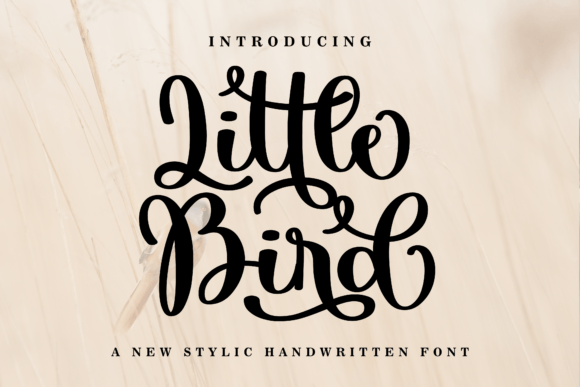
Little Bird has a distinct visual personality. It’s a script font, but it avoids being overly formal or rigidly cursive. The letters possess a charming, organic flow—like handwriting with just a touch more polish and consistency. Its style is inherently romantic and friendly, carrying a mood that’s both graceful and approachable. This balance makes it incredibly versatile for makers. It doesn’t shout; it whispers with elegance, making it perfect for products where the aesthetic needs to communicate quality and care.
For my candle labels, that personality was key. A harsh or overly decorative font might clash with the natural, handmade vibe. Little Bird’s gentle curves and open letters felt authentic, directly reflecting the crafted nature of the product. This connection between typography and product story is something customers sense, even if they don’t consciously note the font. The right typeface elevates the presentation, suggesting a higher perceived quality and strengthening your brand’s visual identity.
Bringing Designs to Life on Paper and Screen
Once I settled on Little Bird for my main product line, its applications blossomed across my entire shop. It became the creative thread tying everything together.
For Physical Products and Packaging
Beyond labels, I began using it for coordinating stickers sealed on the packaging, adding a final decorative touch. I designed simple greeting cards to include with orders, using Little Bird for the heartfelt messages inside. The font translates beautifully to product tags for clothing or tote bags, especially for boutique-style shop names or short, evocative phrases like “Handmade With Love.”
Seasonal items come alive with it. Imagine “Merry & Bright” on a holiday ornament tag, or “Fresh Lemonade” on a summer market sign. For wedding sellers, Little Bird is a natural fit for invitation suites, welcome boards, and favor tags—its romantic script feels inherently celebratory. On items like mugs or wall art, where the text is a central design element, Little Bird acts as a beautiful display font, turning a simple phrase into a piece of decor.
For Digital Designs and Printables
The font shines just as brightly in digital spaces. I use it in mockup previews for my listings, making the product images more cohesive and attractive. For printable creators, Little Bird can title planner pages, grace digital wall art, and adorn the headers of recipe cards or journal templates. It gives digital downloads a polished, designer touch that customers appreciate. In social media posts or blog graphics announcing a new product, using Little Bird maintains brand consistency and helps with audience recognition, building a familiar and trusted visual language.
Practical Considerations for Crafters
Working with any font in a hands-on business requires some practical thinking. Little Bird is a display font. Its strength is in short phrases, names, titles, and decorative wording—not for lengthy paragraphs. This makes it ideal for product labels, packaging accents, and signage where you need a few words to stand out beautifully.
Readability is crucial, especially on small items. When designing my 2-inch round candle labels, I made sure the text size was large enough for Little Bird’s details to remain clear after printing. For those using cutting machines like Cricut or Silhouette to create stickers or vinyl decals, test a small cut first. The font’s delicate connections and curves cut cleanly for me, but ensuring your blade settings are correct for such a detailed script is a wise step.
Pairing Little Bird with Other Fonts
While Little Bird is stunning alone, it often works best paired with a simpler font for supporting information. On my candle label, “Morning Garden” is in Little Bird, but the scent description, weight, and safety instructions are in a clean, neutral sans-serif font. This pairing creates a clear hierarchy: the beautiful script captures attention and emotion, while the straightforward sans-serif provides essential details without competition. You might also pair it with a simple serif for a more classic editorial feel on invitations or wall art.
A Final Check Before You Sell
As a maker selling physical products, templates, or digital downloads, verifying the font’s licensing is essential. Since Little Bird is listed under Freebies, confirm its specific license terms for commercial use. Many free fonts allow use in commercial projects, but always check. Also, look into the included file formats to ensure they work with your software, and explore if it offers any special features like alternates or ligatures that could add extra flair to a shop name or logo.
Using a font like Little Bird is more than just choosing a typeface; it’s choosing a voice for your products. It’s the delicate script on a wedding invitation that sets the tone for the day. It’s the graceful name on a candle that makes a customer pause and smile. It’s the consistent branding on your packaging that makes your shop memorable. For crafters, handmade sellers, and printable creators, these small details are where our stories meet our customers. And a beautiful, thoughtful font like Little Bird helps tell that story with warmth and charm.